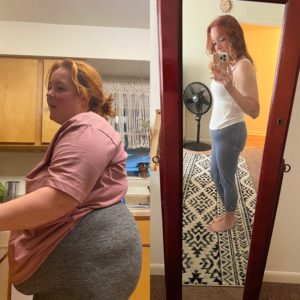
Exercise is crucial to successfully losing weight and then maintaining it. If you’ve had bariatric surgery or are new to exercising, it’s important to ease into an exercise routine that doesn’t cause more harm than good.

Our bariatric experts and physical trainers have compiled a list of exercises to keep you active in a safe way.

Walking: This is the first exercise you should start. A light walk for a few minutes 8-10 times per day is a great place to start developing your exercise routine. This is not too strenuous, and it will keep you active. After more time passes you can increase the length of time walking and decrease the number of times per day.

Swimming: Going for a light swim is another great way to exercise. If you’ve had bariatric surgery, make sure your surgeon has cleared you for water activities. Starting with a swim from one end of the pool to the other is a good way to begin. Rest in between laps to prevent fatigue.

Weightlifting: Building muscle mass after weight loss surgery or for those new to weights, can be made easier by utilizing dumbbells for light weightlifting exercises. Starting with two five-pound dumbbells at first will help your body adjust to lifting. Do not lift heavy weights until you speak with your surgeon.

Stationary Bike: Using a stationary bike can help your body with resistance training. Whether you have a stationary bike at home or use one at the gym, you can incorporate this into your exercise routine. It’s important to remember to start off with low resistance settings and a low speed, so that you don’t push your body too hard.

Yoga: To give your muscles a good stretch, beginner’s yoga is an effective exercise. Try after a few months have passed from surgery or right away for those starting a new routine. Yoga will help build your muscles while keeping you relaxed. You can try a beginner’s class or practice yoga at home with online videos.

Kickboxing: This exercise may be tried after some time has passed following your bariatric surgery. This helps build muscle and balance. Kickboxing is a great way to release any tension you may have while also being active. Make sure not to push your body too hard until you talk with your surgeon about when this workout is safe for you to try.

Listen to your body while exercising. If you feel pain, stop immediately. Do not try to work through it. Instead, choose exercises that do not irritate the affected area.

If you’ve tried and tried again to lose weight but find it always seems to come back, weight loss surgery may be for you. Permanent weight loss through diet and exercise alone can be impossible. But surgery, combined with changes in your lifestyle offers a way to lose weight, keep it off and restore your health. Start your weight loss journey today at bmi.arheart.com.

Arkansas Heart Hospital also offers a intensive cardiac rehab program to help you achieve optimal recovery, improve quality of life and decrease the chance of having another cardiac event or procedure. Learn more.

Walk to the mailbox and feel pain that stops you in your tracks? Can’t shake discomfort, aches, weakness and fatigue? Have legs that feel swollen and tight? Are these just normal signs of aging? No. These could be signs of a much larger problem: blood clots.

Dee White, APRN, clinical director of Arkansas Heart Hospital’s vein, vascular and wound care program, says this pain is not normal and should be addressed.

“If you have pain in your body, there is something going on,” she says. “We need to remind ourselves that the body gives us a great measure of what’s going on and we need to pay attention.”

If you have these symptoms, what should you do? First, let’s look closer at blood clots and how you prevent them.

What is a blood clot?

A blood clot is a mass of blood that forms when platelets, proteins and cells in the blood stick together and moves through the blood stream until it gets stuck in a narrow passageway.

Most people associate blood clots with heart attacks, strokes and other heart related issues. This is not always the case. They can affect arteries or veins distant from your heart (peripheral) that feed the legs, arms, feet and hands. This leads to symptoms such as pain, aching, swelling, tenderness and fatigue.

“These symptoms are telling you that something is preventing that blood flow. The blood is important because it carries the nutrients and the oxygen to the tissues, and if that oxygen can’t get to those muscles, they begin to not want to work,” White explains. “Your legs get tired, they get tight, they can even go to full blown pain until it stops you in your tracks because they are not getting fed. You must remove that obstruction or that blockage so those muscles can be fed again.”

What are blood clot risk factors?

Anyone can develop a blood clot, but there are certain factors that increase the risk. These include:

Acquired risk factors:

  • Smoking
  • Overweight and obesity
  • Pregnancy
  • Age
  • Prolonged bed rest
  • Long periods of sitting
  • Use of birth control pills or hormone replacement therapy
  • Cancer
  • Injury to a vein or muscle

Medical conditions and diseases:

  • Heart disease
  • Lung disease
  • Cancer and its treatment
  • Inflammatory bowel disease
  • Diabetes
  • Heart failure
  • Atrial fibrillation
  • Vasculitis
  • Atherosclerosis
  • Metabolic syndrome

How do I prevent blood clots?

The answer to preventing many health conditions is a healthy lifestyle, and that’s also true for blood clot prevention. Developing healthy habits now will certainly lower your risk of blood clots in the future. Here are practical steps you can start today to prevent blood clots:

Maintain a healthy weight – People who are obese are more than twice as likely to develop a blood clot in their legs compared to those of normal weight. If you are struggling with weight loss, talk with a health care provider about ways to achieve a healthy weight. If traditional diets are not successful, reach out to our Bariatric & Metabolic Institute to learn about our bariatric surgery options.

Exercise regularly – Exercise is good for preventing a multitude of diseases and is especially good for blood clot prevention. Clotting is often caused by long periods of inactivity, so regular movement can prevent that as well as reduce other conditions such as diabetes and obesity that can cause clotting.

Drink water – Dehydration can cause blood vessels to narrow and blood to thicken, raising the risk for blood clots. So, make sure you drink plenty of water daily.

Stop smoking – One of the single most effective steps you can take to prevent blood clots is to stop smoking. Chemicals in cigarettes make it more likely for platelets to stick together and damage the lining of the blood vessels, which can cause clots.

Sit less – Blood circulation slows when you sit for long periods of time, which can cause blood cells to clump together to form a blood clot. Moving whenever possible during the day is a simple, effective way to reduce your risk for clots.

Eat less sodium – Eating too much salt has been proven to damage blood vessels and cause arterial stiffness which can lead to blood clots. So, stay away from packaged, processed food and focus on fresh, frozen or canned vegetables with low sodium.

Try compression – In some cases, your physician may recommend compression socks and stockings to help move blood through your veins towards your heart.

Take prescription medications – Some physicians will prescribe medications to prevent blood clotting such as blood thinners. Make sure to follow the guidance of your doctor before taking these medications.

What should I do if I have blood clot symptoms?

If you suspect you may be suffering from a blood clot, reach out to our Vein & Vascular Institute for a consultation with one of our vein and vascular experts. We provide a complete complement of interventional and treatment options for patients suffering from decreased mobility, pain and dysfunction associated with vein and vascular conditions.

Venous insufficiency: What are your aching legs telling you?

Weight loss plateaus are common for people trying to lose weight and can even happen following bariatric surgery. Many patients experience rapid weight loss in the weeks and months immediately following their procedure. However, weight loss then becomes more gradual and will finally stabilize.

When the scale stops moving, don’t panic or think that progress has stopped, says Courtney, bariatric dietitian at the Bariatric & Metabolic Institute at Arkansas Heart Hospital.

“Understand that this is a normal part of your journey,” she says. “Avoid thinking that this is just like every other diet you’ve ever done and that you’re not going to lose any more weight.”

How do you know if you’ve hit a plateau? If the scale is staying the same but your body measurements are dropping, then you haven’t hit a plateau, you are building muscle. This is important because muscle is more metabolically active than fat.

Once you determine that you have truly hit a fat loss plateau, figure out how to overcome it. Below, find trusted and proven strategies to help learn how to get past a weight loss plateau.

Keep a Food Journal
If you have stopped keeping a food journal, start again. Most people underestimate how much they eat in one sitting, so be sure and measure your food. This will keep you honest and help you determine if your plateau is due to metabolism changes or a return to previous bad habits.

Change Your Food
“If you’ve been eating the exact same thing day in and day out, change it up. Change up your proteins, vegetables, fats, flavoring and make sure you’re sticking to our plan,” Courtney says.

You may have been depending on protein shakes or bars, processed ready to eat meals, or been eating lots of low-fat processed carbohydrates. Decrease your carbohydrate intake, increase your intake of protein, non-starchy vegetables and healthy fats.

Increase Your Exercise
As you become more active and lose weight, activities that you previously would never dream of doing are now a walk in the park. As such, you need to increase intensity, length or the type of activity to challenge your body. Try new forms of exercise such as biking, swimming, hiking or dancing.

“We want you to be getting your heart rate up,” Courntney says. “Cardio is good for fat burning, but make sure to add some weightlifting and resistance training as well to minimize muscle loss. This is the biggest determining factor between a patient losing 20 pounds in six weeks and 30 pounds in six weeks.”

Get Enough Sleep
Make sure you’re getting enough sleep – at least seven to eight hours a night. Being overtired can trigger sweet cravings, and if you are falling for those cravings, this could be the reason that the scale isn’t moving.

Focus on Non-Scale Victories
If the scale stops moving, focus on your non-scale victories such as being able to get off medications, play with your grandchildren, ride in a plane comfortably or ride bikes.

“If you had blood sugars that were completely out of control prior to surgery and now they are normal, who cares what the scale says. That is a huge victory,” she says. “Put the scale away if it doesn’t move for three days. Focus on non-scale victories and get it back out in a couple of weeks.”

Follow the BMI Guide
If you are a BMI bariatric patient, it’s imperative you follow our patient education guide which lays out your diet after weight loss surgery. Follow the guide and it will work.

“Stick with the plan,” Courtney says. “Make sure you’re sticking with our weight loss procedure diet, not something you found off the internet. Not sticking to the diet after weight loss surgery or will lead to a fat loss plateau quicker than anything.”

If you’ve tried and tried again to lose weight but find it always seems to come back, weight loss surgery may be for you. The Bariatric & Metabolic Institute team is here to provide the best physical, mental and emotional tools to help you lose weight, find yourself and even ditch your type 2 diabetes medications. Get started at bmi.arheart.com.

Am I eligible for weight loss surgery? Learn here.

Tired of living with diabetes, cirrhosis, sleep apnea and stomach pain, Kelly stepped out to find a solution to a healthier life. She found what she was looking for with the help of bariatric surgery. Read her story.

Looking for Answers

I have struggled with weight all my life and was always heavier than any of the other girls. My heaviest was 260 pounds and I am only 5’ 2” tall.

My weight was always fluctuating. I gained weight after my first marriage and then lost some when my marriage unexpectedly ended. When I had my first child I gained forty pounds, then I lost thirty.

When I remarried and had my second baby, I gained fifty pounds and never lost much of that. After developing gestational diabetes during my second pregnancy, things went downhill. I found out that I had non-gestational diabetes, high blood pressure, high cholesterol, anemia, fatty liver, sleep apnea, severe leg swelling, fatigue and stomach pain.

I was on six medications in the morning and nine in the evening. I felt miserable and hated taking all the medications.

Turning Point

I decided to have bariatric surgery after I had a scan to find out why I was having bad stomach pains on the right side of my stomach. The technician could not see my gallbladder because of my liver. More tests revealed I had an enlarged, fatty liver.

My father-in-law had just passed away with non-alcoholic cirrhosis of the liver, and it really scared me and my husband. I never considered the surgery prior to this. But I wanted to get the weight off fast, make major lifestyle changes and get healthy.

I began to research everything about the different types of weight loss surgeries. I knew I was too scared to go out of the country, so that was never an option for me.

I learned about the Bariatric & Metabolic Institute (BMI) through two friends who felt great after bariatric surgery at BMI. They were very happy with their results, the bedside manner of the doctors, and their care while in the program.

I went online and went through the process of filling out the form, doing the seminar and then I found out, to my surprise, that my insurance covered the surgery.

Surgery Experience

Dr. J.D. Fuller, bariatric and general surgeon, performed the gastric bypass, and my overall surgery experience was amazing. This was my first surgery, the first time I had ever been under anesthesia and my first hospital stay other than having my children. When I woke up, I was shocked that it was over.

The surgery incisions did not give me any pain and I had no complications. I was sore and had some bruising, but other than that I did very well. I spent one night in the hospital and was able to go back to work seven days after surgery.

The staff at the hospital were wonderful and made me feel at ease. They were very attentive to me and very kind. They took care of my husband while I was in surgery and made sure I had whatever I needed. I have always been impressed with the professionalism and kindness of the staff at BMI.

Less Medications, More Energy

Life is great. I look forward to things that I used to dread because I felt so bad that I just wanted to stay at home and rest. I am only on two medications. I have amazing energy, sleep like a baby without my CPAP machine and feel so much better.

I can do things that I never imagined I could do, and I look great on top of all of that. I have regained my health and improved my quality of life exponentially. I have confidence that I haven’t had since I was in my twenties. It has been life-changing in every way. If I had known I would feel and look this good, I would have done this much sooner.

I still get to enjoy food, but I do so in a healthy, moderate way. I don’t feel deprived or sad about it. I have learned to listen to my body and allow it to tell me what I want or need. I am more mindful of my protein daily, and I see food as energy and not a pastime or a coping mechanism.

I absolutely recommend bariatric surgery and BMI. If someone is on the fence about the surgery I would say, do it! You will not regret it.

Our nationally recognized team of surgeons, dietitians, nurses and therapists are here to guide you to a longer, healthier, more fulfilling life through bariatric surgery. Go to bmi.arheart.com to see if you qualify for surgery, learn about your surgical options and watch our free online on-demand seminar.

While they can be a cosmetic blemish, most of the time varicose veins are not a cause for concern. However, they shouldn’t be ignored. In rare cases, they can cause blood clots or bleeding and increase the risk of vascular conditions.

What causes varicose veins?

Varicose veins are enlarged, twisted and purplish-bluish veins usually found in the legs. They affect up to three in 10 adults and occur more often in women than men.

They are caused by superficial venous insufficiency, which occurs when blood pools in the veins due to weakened or damaged veins. Pooled blood can cause many problems, including pain, fatigue, heavy legs and open sores that won’t heal.

What symptoms should you look for?

While varicose veins are mostly a cosmetic issue, you should not ignore them, especially if you have the following symptoms:

  • Throbbing or aching in the area of the vein
  • Itching and/or burning around the vein
  • Dry, irritated skin
  • Leg heaviness and fatigue
  • Muscle cramping
  • Pain when sitting or standing for a long time
  • Darker patches of skin, sores or ulcers
  • Bleeding veins
  • Veins that are painful and feel hot
  • Persistent pain and swelling

What are the risk factors?

The following can increase the risk of developing varicose veins:

  • Age – As you get older, vein valves go through wear and tear which can disrupt blood flow and cause blood to collect.
  • Gender – Women should pay attention to varicose veins more than men because they are more likely to develop complications. Hormonal changes and hormonal treatments can contribute to these.
  • Pregnancy – Pregnancy can enlarge veins in the legs as blood volume increases to support the growing baby.
  • Family history – There is a genetic component to varicose veins’ development. If your mother, father or grandparent have varicose veins, you have a greater chance of developing them as well.
  • Obesity – Access weight puts more pressure on veins.
  • Standing or sitting for long periods of time – Blood flow decreases as you stand or sit for long periods of time.

How do you prevent varicose veins?

  • Keeping a healthy weight.
  • Exercising regularly.
  • Putting your feet up while sitting.
  • Not crossing your legs while sitting.
  • Not wearing tight clothing.
  • Avoid high heels.
  • Eat a high-fiber, low-salt diet.

The Arkansas Heart Hospital’s Vein & Vascular Institute is the first and only institute in Arkansas dedicated to identifying, treating and managing peripheral vascular disease (PVD) along with other circulatory conditions affecting the limbs such as chronic venous insufficiency (CVI) and lymphedema.

For more information about our vein and vascular services and to schedule a consultation, please call 501-978-3746.

Years of failed dieting, pills and exercise encouraged Casey to search for a solution to achieve a healthier weight. She found that with the help of gastric sleeve surgery. A year after surgery, she’s lost 120 pounds and found a new life with more energy and confidence. Read her story.

Searching for a Solution

I struggled with my weight most of my life. From about 15, I remember being the biggest girl in school and not having many friends because I was on the larger side. I didn’t have any health issues, but it affected my self-esteem.

I was tired of feeling like I didn’t deserve my husband. I was the biggest wife in my friend group, and I didn’t want to go out or interact with anyone because I felt like I didn’t measure up to them.

And most of all, I wanted to keep up with my girls. I wanted to run and play with them and teach them healthy habits.

Saying “Yes” to Herself

My family was skeptical at first about surgery and stressed to me that the surgery won’t work if I don’t put in the effort to make it work. But I knew it was something I wanted and needed for myself. Now that they have seen my dedication and the results, they are all so thrilled and supportive of the outcome. They even call me for healthy food options for themselves.

Weight Loss Surgery Process

My surgery was great. One thing I remember before surgery was Dr. Samuel Bledsoe coming in and praying over me, the team and the surgery. It was so calming and appreciated. I knew Dr. Bledsoe really cared and wanted me to succeed, and that special moment stood out to me. I felt comfortable with him from our first visit, and I think that’s very important.

A Sweet Reunion

My husband is in the military, and I had surgery while he was deployed for six months. During that time, I lost 110 pounds.

It was hard going through the weight loss process while he was gone. He and my family supported me, but it was a challenge because they were not with me every day. I wanted this process to work and to shock my husband when he got home, so I stuck it out.

When he was discharged and he came down the escalator at the airport, he didn’t recognize me. He just assumed it was me because of my red hair and that I was running to him.

Non-Scale Victories

After surgery, I don’t get winded as easily. Stairs and scales no longer scare me.

I was so surprised by the energy I found and the motivation to do things I had never before. I can go for a run with my husband. At my starting weight of 245 lbs., I never would have said, “let’s go for a run, babe.”

And one of the most meaningful victories to me is keeping up with my daughters. Now I can crawl around on the floor with them, toss them in the air and be their jungle gym.

No Regrets

If you want to change your life, I encourage you to do have the surgery. It completely changed my life. The recovery could be hard, but the team at the Bariatric & Metabolic Institute is there for you every step of the way. The weight loss journey is different for everyone, but I have no regrets. This gave me my life back.

Surgery is not a magic pill, though. To be truly successful, you must follow the bariatric lifestyle guidebook the dietitians give you. It helps you manage portions and give up the Oreos and chips. It was hard at first, but after two months, this new meal plan became normal to me. You don’t miss your old lifestyle, because you see the hard work that you are putting in paying off. If you dedicate yourself to the program, it will work.

Our nationally recognized team of surgeons, dietitians, nurses and therapists are here to guide you to a longer, healthier, more fulfilling life through bariatric surgery. Go to bmi.arheart.com to see if you qualify for surgery, learn about your surgical options and watch our free online on-demand seminar.

Sugar affects the heart in several ways and can increase the risk of heart disease.  

“Sugar may cause inflammatory responses in the body and put more strain on the heart,” said Registered Dietitian Nutritionist Allyson Carroll. “Sugar intake has shown to increase LDL cholesterol (commonly referred to as “bad cholesterol”) and triglycerides when overconsumed, increasing risk of heart disease.” 

What are good sugar substitutes? 

  • Stevia is a great option for a calorie free natural sweetener. Using stevia in place of sugar can aid in preventing negative health risks associated with high sugar consumption.  
  • Local/raw honey can provide many benefits when consumed in moderation. However, honey is still considered an added sugar to your diet, so it is best to limit the amount consumed. 

What should I eat if I am craving sweets? 

  • Fruit, greek yogurt, unsweetened dried/freeze-dried fruits, and dark chocolate (70%+ cocoa) are other sweet options with lower sugar.  
  • Pairing fruit with protein or healthy fats like nuts/nut butter, lean meats, low-fat cheeses, and protein powders can also aid in slowing down digestion and preventing blood sugar spikes. 
  • Instead of buying pre-packaged baked goods, bake at home. Try using whole wheat or almond flour, stevia/sugar alcohols and avocado oil for baking to increase health benefits. 

Once you cut down sugar intake, the cravings should diminish in a few weeks.  

How much is too much? 

The 2020-2025 Dietary Guidelines for Americans recommends consuming: 

  • <10% total calories per day from added sugar. 
  • General recommendations for women: <6 tsp. (24 grams) per day 
  • General recommendations for men: <9 tsp. (36 grams) per day 

To put these numbers in perspective, a standard 12 oz. can of soda has about 39 grams of added sugars – that one serving is more than the daily recommendation, without considering all the other foods you consumed that day that contain added sugars (dessert, bread, snacks, sauces and dressings, juice, etc).  


In summary, start replacing your sweet treats that are full of sugar to more nutritious sweets with natural sweeteners and you should see and feel improvement in your heart health and overall health.  

Remember to always consult your physician before making significant changes to your routine. If you need a cardiologist, our world-class doctors are ready to see you at Arkansas Heart! 

For recipes and other tips, read more of our blog here 

Eating healthy can help lower your risk of heart disease. But with so many fad diets and conflicting information, you may feel overwhelmed about where to start and how to keep a healthy lifestyle. Our experts at Arkansas Heart have nine simple tips to help you with a heart-healthy eating plan.   

“We want to help you make changes in your lifestyle that you know you can stick with for the rest of your life,” said Registered Dietitian Nutritionist Allison Bailey. “The question of “What to eat?” is far more beneficial to maintaining a heart-healthy lifestyle than what not to eat.”  

For a heart-healthy lifestyle, we recommend you:  

  1. Eat more fruits and vegetables.
  2. Eat more fish, seafood, chicken, or game meats when choosing animal-based sources. 
  3. Drink plenty of fluids (mainly water). Around 64 ounces is recommended.
  4. Limit caffeine intake. The recommended daily amount is less than 250 milligrams per day. 
  5. Cook with healthy oils such as olive, canola, or walnut. 
  6. Use seasonings besides salt. Our favorites are lime, lemon, vinegar, garlic, etc. 
  7. Control your portion sizes. Using a smaller plate helps. 
  8. Add more plant-based protein sources, like nut butter, nuts, beans, peas, or legumes/lentils, and fewer animal-based proteins.  
  9. Eat more egg white and fewer yolks.    

Gradually add these new lifestyle changes and set goals in your daily routine. Set small goals, even if it is just one or two. Work on these goals for two to three weeks – the average time to establish a lifestyle change. Then, pat yourself on the back and keep going! A good nutrition plan is a key to having a healthier heart and improving heart function.  

After following these heart-healthy eating tips for a few months, you should see and feel improvement in your heart health and overall health. Remember to always consult your physician before making significant changes to your routine. If you need a cardiologist, our world-class doctors are ready to see you at Arkansas Heart! 

For recipes and other tips, read more of our blog here. 

Tina’s arthritis forced her to retire early, so she chose to reclaim her life through weight surgery at the Bariatric & Metabolic Institute at Arkansas Heart Hospital. Read her story.

The First Step

I struggled with weight loss for years. I was tired of being unhealthy, overweight and not being able to enjoy life. I had to retire in September 2020 from my job of 32 years because the severity of my arthritis would no longer let me function the way I needed to. I decided I had to do something to get the weight off or I would be homebound soon. The extra weight was only making my arthritis worse.

My friend posted her weight loss journey online and had nothing but great things to say about her experience with Dr. Samuel Bledsoe, bariatric and general surgeon. I chose the Bariatric & Metabolic Institute at Arkansas Heart Hospital based on her story and positive experience.

I had the gastric sleeve procedure in April 2021 with Dr. Bledsoe. Now, I am no longer diabetic, my blood pressure is great and all my labs are perfect. I’ve lost more than 100 pounds from my highest weight of 307.

Victories, Big and Small

I can do so much more for myself physically that I couldn’t do before surgery because I was tired or hurting. It’s the little things that truly make a difference. Cleaning the house used to take me a few days, but now I can accomplish this in a couple of hours, and I go for long walks. My new hobby is updating our home; I’ve been painting walls and furniture.

I follow my son around to ball tournaments and volunteer at church. I can keep my great nieces and nephews when needed.

I love to travel! I have been able to travel and even fly using the “regular” seat belt – no extension for me! My wedding rings fit, and I can cross my legs. Even if I do not lose any more weight, I am so much healthier and feel better than I have in years.

The bariatric lifestyle is easier to follow than I imagined. I have always been a picky eater, so I was not sure how I was going to like the change in veggies (from starchy to non-starchy). But I have discovered a new love for healthy eating — I never thought I would say that!

Confident and Grateful

I can honestly say that this has been the best experience. I couldn’t have done this without the amazing team at Arkansas Heart Hospital’s Bariatric & Metabolic Institute like Dr. Bledsoe, my surgeon; Nick, his APRN; Courtney and Shanna, the dietitians. All the other ladies are wonderful people to work with. Not one time have I felt like they are frustrated or inconvenienced by my many questions and doubts. I have never felt shamed or ridiculed because of my weight.

I’m thankful for the continued support from the BMI team. At my one-year checkup, I met with the nutritionist and nurse practitioner, and had my scan. The staff are all encouraging!

Weight loss surgery is a great tool when it is used appropriately. I will never regret my decision to do something about my unhealthy lifestyle. I thank Dr. Bledsoe and the BMI team for helping me find a healthy me!

To those interested in bariatric surgery, I encourage you to go to the BMI website to watch the online seminar, and I recommend they make an appointment. But I also say that you must be ready to make big changes in your life regarding the types of food you eat.

If you’re tired of diets and are looking for a sustainable path to weight loss, bariatric surgery may be right for you. Visit bmi.arheart.com for our weight loss surgery options, qualifications, insurance information and more.

Many people will suffer from some type of wound in their lifetime, whether it’s cuts and scrapes that heal quickly or a more severe wound that won’t go away. How do you know when your wound needs treatment from a wound care expert rather than from yourself or a primary care physician?

Dr. Gary McCallum, medical director at Arkansas Heart Hospital’s Wound Care and Hyperbaric Center, explains that you should see a wound care specialist if you have a wound that won’t heal, because there could be an underlying condition.

“If you go to the ER and get a laceration suture (i.e. stitches), you don’t need to follow up with a wound care center. You can follow up with your primary care doctor. But if the wound doesn’t heal, that’s when we start to investigate and ask: do you have undiagnosed diabetes, do you have peripheral arterial disease, do you have venous disease, or do you have an infection that now needs to be addressed?”

The types of wounds that are more likely to need specialist treatment at a wound care center include complex, chronic and non-healing wounds associated with diabetes, peripheral arterial disease, peripheral vascular disease or a venous condition.

These wounds include:

  • Diabetic foot ulcers
  • Peripheral neuropathy
  • Arterial and venous insufficiency ulcers

Other types of wounds we treat include:

  • Complex soft tissue wounds
  • Non-healing surgical wounds, skin grafts and flaps
  • Traumatic wounds
  • Gangrene
  • Radiation tissue damage
  • Brown recluse bites
  • Atypical leg ulcers

Wound Care Specialist Benefits

There are many benefits to receiving treatment from a wound care specialist at a wound care center:

  • You will receive individualized treatment from multiple specialists based on your health issues and clinical history.
  • Working with a specialist is the best way to reduce complications and infection.
  • You will receive the latest wound care treatments and technologies including hyperbaric chamber therapy and surgical debridement.

Arkansas Heart Hospital’s Wound Care Center provides all these and more key features, including the largest individual hyperbaric oxygen therapy chambers in Arkansas.

“Where we stand out from other wound care centers is Arkansas Heart has so many tools in our tool chest,” Dr. McCallum says. “We can really home in and help people with diabetes and vascular disease. Best in class, medical-grade hyperbaric chambers are one of our tools. Immediate access to other Arkansas Heart specialists like interventionists and vascular surgeons is another.”

Hyperbaric therapy stimulates healing and is a safe, time-tested treatment to help patients go back to living their best lives.

Learn more about our hyperbaric wound care treatment and make an appointment with our wound care experts in Little Rock or Conway.