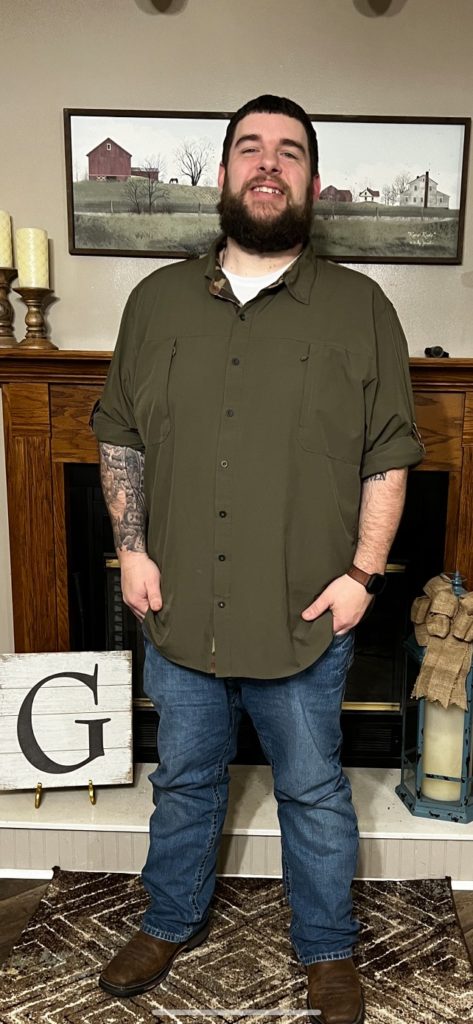
Gastric sleeve surgery at the Bariatric & Metabolic Institute (BMI) helped Gary lose 150 pounds, prevent health conditions and increase his love for running.

Finding an Alternative to Yo-Yo Dieting

Gary Before Weight Loss SurgeryI have struggled with obesity for most of my adult life. I have tried multiple diet and exercise plans and had some success losing weight, but I always gained it back. In February of 2010, I stepped on a digital scale at home, and it read ‘ERROR.’ When I stepped on the scale at my doctor’s office, it read 330 pounds. I knew I had to take action.

I began running to lose weight. In September 2013, I ran my first half marathon, and in February 2014, I ran my first marathon. While training for my second marathon, I hit 189 pounds.

Shortly after, several things in life changed in a short period of time. I didn’t take the time to exercise and started back to my bad eating habits. I got back up to 250 pounds quickly. I tried several times after that to change my diet and start exercising, even working my way back to a half marathon in December of 2018. But I just felt like I was fighting a losing battle.

With a history of diabetes, heart disease and hypertension on both sides of my family, I felt it was just a matter of time before I developed these conditions.

Taking Action with Weight Loss Surgery

I decided to act by searching for ‘Arkansas Heart Hospital weight loss surgery.’ I followed the steps on bmi.arheart.com to see if my insurance would cover it and if I was a candidate for surgery. The following week I received a call from the Bariatric & Metabolic Institute (BMI) to set up an appointment.

In the spring of 2021, I met with Dr. J.J. Tucker, my bariatric surgeon. At this point, I was not sure if I wanted to go through with the surgery. But Dr. Tucker said something that really stuck with me.

If a person was diagnosed with cancer, they wouldn’t wait until it had progressed to stage four to seek treatment. He said obesity is a disease just like any other disease and needs to be treated as such. Deciding to have surgery should not make us feel like we have failed or given up.  

I knew then that this was the step I needed to take. Since gastric sleeve surgery, I’ve lost around 150 pounds and feel amazing! I no longer have issues with indigestion or reflux. I have learned what to eat and what to stay away from. My wife and I are both healthier and more active than we have ever been.

Gary Weight Loss Surgery Results

Lifetime Tools from BMI

I view my gastric sleeve as a tool; like any other tool, it has a specific purpose. This ‘tool’ came with an instruction manual, my ‘bariatric bible binder,’ and amazing ‘customer support’ from the great team at BMI. The online patient support group serves as ‘customer reviews’ and ‘frequently asked questions.’

After surgery, I’ve completed in many marathons, including Little Rock, RussVegas, St. Jude’s and Mississippi. My ultimate goal is to qualify for the Boston Marathon.

None of this would have been possible without Dr. Tucker, the BMI team and the tool of bariatric surgery.

From insurance approvals to emotional and physical wellness, our weight loss surgery experts are here for you every step of your weight loss and health journey. Take the first step to a second chance at life at bmi.arheart.com.

Learn about bariatric surgery options.

Tired of sitting on the sidelines, Brittany changed the course of her life with the help of weight loss surgery at the Bariatric & Metabolic Institute (BMI). 

Taking Charge of her Health through Weight Loss Surgery

I have struggled with my weight since childhood and health conditions since age 20. I was tired all the time, had poor eating habits, and my legs and feet hurt a lot. Even just walking a short distance was taxing on my body. 

I decided to have gastric sleeve surgery at the Bariatric and Metabolic Institute (BMI) to help me have better control over my health and weight and a better quality of life. 

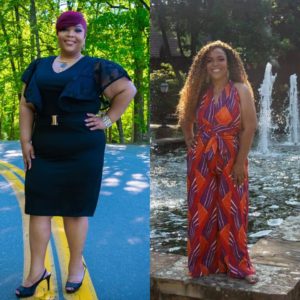
Side by Side Photo of Brittany Before and After Gastric Sleeve Weight Loss Surgery

Impeccable Experience

Dr. Samuel Bledsoe, my bariatric surgeon, gave the most wonderful and caring experience I have had in a long time. Having a doctor pray with me before this life-changing surgery meant the world to me. He made my fears go away before surgery, and I am grateful for him. 

My entire weight loss surgery experience at Arkansas Heart Hospital was impeccable. After surgery, my nurses were so patient, kind and professional. Jackie, CNA, kindly pushed me to drink the fluids I needed and to get moving so I could heal properly. The staff and doctors were available to me if I needed anything. 

I will tell anyone considering bariatric surgery to go to BMI at Arkansas Heart Hospital. I have successfully recommended two of my family members including my father, and six of my coworkers and friends. 

A Whole New Life

Life now is how I always thought it would be and more. My health is better than it’s ever been. I’m no longer diabetic; my A1C went from 10.8 to 5.2. I no longer have high blood pressure and my symptoms from polycystic ovary syndrome (PCOS) are so much better. 

I can move easier, and I have more energy. I enjoy traveling without being exhausted and getting in my backyard to play with my dog, Bandit. 

Going into surgery, I set three non-scale goals: sit cross-legged, cross my legs in a chair and fly without a seatbelt extender. I have accomplished them all! 

———————– 

If excess weight is keeping you on the sideline of life, our personalized attention and innovative surgical options can get you back in the game and can even be a cure for type 2 diabetes. Take the first step to a healthier you at bmi.arheart.com. 

Do I qualify for bariatric surgery?

Congestive heart failure (CHF) is a scary sounding name for a fairly common disease. CHF means that the heart is not pumping enough blood to meet the body’s demands. This weakened pump frequently results in fluid backing up in your lungs or legs and abdomen.

With Arkansas Heart Hospital’s advanced CHF treatments and one-on-one guidance in creating healthy lifestyle changes, patients’ CHF can be successfully managed and even reversed.

“Arkansas Heart Hospital’s goal is to prevent hospitalizations and improve heart failure patients’ quality of life,” said CHF Clinic’s Hannah Mitchell, APRN. “We provide intensive individualized and compassionate care to give our patients the very best chance to live a longer, happier life.”

CHF Risk Factors

Certain conditions can increase your risk for heart failure, including:

  • Coronary artery disease (CAD)
  • Heart attack
  • Diabetes
  • High blood pressure
  • Obesity
  • Valvular heart disease
  • Unhealthy behaviors can also increase your risk for heart failure, including:
  • Smoking tobacco
  • Eating foods high in fat, cholesterol and sodium
  • Not getting enough physical activity
  • Excessive alcohol consumption

CHF Symptoms

Common symptoms of new or worsening CHF:

  • Shortness of breath that is worse when you lay down or sleep
  • Swollen feet, ankles and legs
  • Rapid or irregular heartbeat
  • Persistent cough or wheezing
  • Tightness in belly
  • Increased fatigue and shortness of breath with routine activity
  • Rapid weight gain of three pounds in a day or five pounds or more in a week
  • Nausea and lack of appetite
  • Difficulty concentrating or decreased alertness
  • Chest pain if heart failure is caused by a heart attack

CHF Treatment

Being diagnosed with CHF does not mean you can’t enjoy life. With proper treatment and your active involvement in committing to lifestyle changes (most importantly, a low sodium diet), you can significantly improve your symptoms, feel better, and live a longer and more active life.

Lifestyle Changes You Can Control

Quit Smoking
Heart failure patients that quit smoking have a 30 percent lower rate of death than those who smoke. This improvement in death rates from quitting smoking is the about the same benefit that patients gain from taking important heart failure medications.

Maintain or Lose Weight
Obesity can raise your risk of developing a variety of heart-related conditions, including CHF. It changes your cholesterol levels, raises your blood pressure and can lead to diabetes, all risk factors for CHF. Losing just five pounds can decrease your risk for CHF.

Avoiding or Limiting Alcohol
The cardiovascular system is affected by alcohol. Excessive, long-term drinking can lead to high blood pressure, heart failure or stroke.

Be Physically Active
Exercise lowers your blood pressure, controls or helps you lose weight, strengthens muscles, stops or slows the development of diabetes, lowers stress and reduces inflammation – all things that are vital to preventing and managing CHF.

Limit Sodium
If you eat too much sodium, you will pull excess fluid into your blood stream that your weakened heart will have to pump. It’s recommended that you eat no more than 2,000 mg of sodium daily (unless otherwise directed by your doctor).

Limit Fluid
If you have heart failure and are taking strong diuretics, you usually need to limit fluid intake. Otherwise, you will undo the work of the diuretics in pulling fluid out of your bloodstream. You should limit your fluid intake to 64 ounces a day (unless otherwise directed by your doctor).

Monitor the Scale
Increases in your daily weight are an important sign of worsening heart failure. A rapid weight gain of three pounds overnight or five or more pounds in a week is usually due to fluid overload. Keeping a record of your daily weights will help you identify fluid overload at the early stages so you can contact your healthcare provider who can adjust your medications to keep you out of the hospital.

Manage Stress
Stress can increase inflammation in your body, which in turn is linked to factors that can hurt your heart. You can manage stress through deep breathing, exercising, eating well, limiting social media time and connecting with others.

Arkansas Heart Hospital CardioMEMS Program

Arkansas Heart Hospital is proud to offer CHF treatment through our CardioMEMS Program. The CardioMEMS system provides early detection of worsening heart failure before symptoms arise.

“CardioMEMS is a small device implanted by our cardiologists to detect the progression of heart failure weeks before you ever develop signs or symptoms,” Mitchell said. “This allows for more timely management and will help keep patients out of the hospital. This device allows us both our clinic and patients to track their pulmonary artery pressure from the comfort of their home.”

Watch a CardioMEMS implant procedure animation.

Learn more about Arkansas Heart Hospital’s CHF treatments.

You’ve seen it all in the headlines – COVID increases the risk of heart disease. It’s alarming and true! Continued research proves that anyone infected with COVID is at a higher risk of heart-related conditions, even young, healthy people who weren’t hospitalized.

“Studies have found that COVID doesn’t really discriminate based on how we classically split up risk factors such as age, medical history, comorbidities, race and gender,” says Dr. Peyton Card, who serves as an internal medicine physician and COVID specialist here at Arkansas Heart Hospital. He finds the research findings alarming. “Across the board, everyone is at an increased risk of heart disease.”

After several years battling COVID-19, you know the classic symptoms: cough, loss of smell and taste, and shortness of breath. However, a growing body of research shows that coronavirus is associated with wide range of lasting problems such as myocarditis (inflammation of the heart muscle), cardiovascular disease, stroke and heart failure.

People who have experienced COVID are 70% more likely to experience heart failure, and there are more than 37,000 more people suffering with heart related conditions post-COVID who would not have had these without contracting COVID.

“Across the board, you are more likely to have cardiovascular disorders if you had coronavirus,” says Dr. Gary Nash, Arkansas Heart Hospital cardiologist. “The risk follows you for at least an entire year. From young, healthy people or older sick people, you’re at an increased risk.”

People will contract many types of coronaviruses during this lifetime – such as the common cold – but COVID-19 is unique because it affects more than the upper respiratory tract.

“It can affect almost any organ system, including the brain, heart, lung, gut or pancreas,” Nash says. “We see not only cardiovascular issues, but we also see an increase in diabetes, brain fog after a coronavirus infection.”

Individuals should watch for certain red flags that will signal that they should see a doctor. These include lingering symptoms such as:

  • Continued coughing
  • Difficulty breathing
  • Difficulty exercising
  • Heart palpations
  • Chest pains
  • Joint pain
  • Memory or concentration problems
  • Sleeping problems
  • Muscle pain or headache
  • Loss of smell or taste
  • Swelling in the legs
  • Depression or anxiety
  • Dizziness when you stand

These lingering symptoms can turn into a condition called long-COVID or post-COVID. If this is the case, rehab, like our Post-COVID Pulmonary Rehab Program, may be the best course of action.

This comprehensive outpatient treatment, offered through Strong Hearts Rehabilitation Center, focuses on restoring patients’ quality of life, says program director, Amanda Xaysuda.

“Most patients we see come in with shortness of breath, fatigue, headaches, lingering cough, exercise intolerance, exertional malaise,” Xaysuda says. “The purpose of the pulmonary rehab program is to address these symptoms. The purpose is to not cure disease or resolve any heart or lung disease in these patients but be able to tolerate exercise better and improve their quality of life.”

Determine YOUR risk and take action today by talking with one of our cardiologists or your primary care physician, or having our Keep the Beat comprehensive heart screening.

Watching her grandchildren grow up seemed questionable for Barbara, who was on 14 different medications, borderline diabetic and suffered from AFIB. Bariatric surgery changed the course of her life. Read her story.

Feeling Alone

I have struggled with my weight for the past 15 years and I felt so alone. I was on 14 medications for blood pressure, acid reflux, breathing issues and sinus issues. I was also borderline diabetic, had to use a CPAP machine and had multiple ablations for atrial fibrillation (AFIB).

In 2017, I was in the hospital for an ablation for my AFIB when Dr. Monica Lo, electrophysiologist, suggested I talk to Dr. Samuel Bledsoe, bariatric and general surgeon, about my medical issues.

During my first appointment with Dr. Bledsoe, he asked me why I wanted to have bariatric surgery, and I told him I wanted more time with my six grandchildren. At the time, two of my grandchildren were entering kindergarten and I wanted to see my other graduate.

Excellent Experience

At around 288 pounds, I had gastric sleeve surgery in June 2017. Dr. Bledsoe is the only doctor I’ve had that prayed with me prior to surgery.

My overall experience at the Bariatric & Metabolic Institute at Arkansas Heart Hospital (BMI) was excellent, including my first visit, preparation schedule, surgery and hospital stay. Everyone from the check-in desk to the staff were very professional and courteous. I never felt put down as I have in the past. Everyone was so encouraging during my weight loss surgery recovery.

I especially appreciated that they explained and even helped me complete my checklist. I also enjoyed the follow-up sessions when patients shared their experiences with each other.

Achieving Her Goals

I now weigh around 163 pounds and can do anything I want to do. I feel so much better generally, and I am now on only four medications and don’t have to use the CPAP machine and my AFIB seems to be in check.

I have learned how and what to eat on the gastric sleeve diet. Before surgery I ate whatever I wanted and cleaned my plate. Now, I stop eating when I am full.

I was able to see my youngest grandchild go into kindergarten and my oldest grandson graduate from high school with honors. For all these things I will be forever grateful. Without Dr. Bledsoe, I honestly believe I wouldn’t be here today. I am so grateful for him and his staff.

—-

At the Bariatric and Metabolic Institute, our primary focus is to help you in reaching your weight goals and regaining your health. A nationally recognized team of physicians, nurses, counselors and dietitians, we are your lifelong partners in the journey to a longer, healthier life. From insurance approvals to emotional and physical wellness, we are here for you every step of the way. Watch our free, on-demand informational seminar to start the process.

Find more weight loss surgery testimonials, recipes and bariatric surgery resources.

Learn what to expect after weight loss surgery.

Cardiopulmonary Resuscitation (CPR) is an emergency lifesaving procedure performed when the heart stops beating. If performed immediately, CPR can double or triple the chance of survival from an out-of-hospital cardiac arrest.

“When someone drops in front of you or has cardiac arrest, everyone should be prepared to do CPR,” says Dr. Monica Lo, electrophysiologist at Arkansas Heart Hospital. “It is very critical when the heart stops that someone knows how to do CPR to provide blood flow to vital organs including the brain.”

There are more than 356,000 out-of-hospital cardiac arrests annually in the U.S. Unfortunately, only about 46 percent get the immediate help they need before professional help arrives.

The primary reason for inaction is a concern about causing additional injury to a patient, especially if that patient was elderly, female or adolescent. The second most common reason was a lack of CPR training and ability.

How do you perform CPR?

You should not be afraid of CPR. With hands-on training, anyone can save a life with a few steps.

  1. Check the scene for safety, form an initial impression and use personal protective equipment (PPE).
  2. If the person appears unresponsive, check for responsiveness, breathing, life-threatening bleeding or other life-threatening conditions using shout-tap-shout.
  3. If the person does not respond and is not breathing or only gasping, call 9-1-1 and get equipment, or tell someone to do so.
  4. Place the person on their back on a firm, flat surface.
  5. Give 30 chest compressions.
    • Hand position: Two hands centered on the chest
    • Body position: Shoulders directly over hands; elbows locked
    • Depth: At least 2 inches
    • Rate: 100 to 120 per minute
    • Allow chest to return to normal position after each compression
  6. Give 2 breaths
    • Open the airway to a past-neutral position using the head-tilt/chin-lift technique.
    • Ensure each breath lasts about one second and makes the chest rise; allow air to exit before giving the next breath.
  7. Continue giving sets of 30 chest compressions and two breaths. Use an AED as soon as one is available.

It’s ideal that two people work together to revive a sudden cardiac arrest victim. While one person performs CPR to provide blood flow to the brain, the other person can get a defibrillator to restore the heart rhythm.

It’s important to know that simply reading the steps or watching a CPR training video should not replace hands-on training with a manikin and a licensed instructor.

Arkansas Heart also offers on-site CPR training through our community and corporate engagement program. To learn more, email marketing@arheart.com.

Learn how to use an automated external defibrillator (AED).

—–

Sudden cardiac arrest can occur anywhere, anytime to anyone, often without warning. Take your heart health in your own hands and learn your cardiovascular for cardiac arrest, heart attack and stroke risk before it’s too late. You can do that today with our quick and painless Keep the Beat heart screening. Sign up today!

Want to learn more about our patient-centered, specialized cardiac care? Discover our wide range of cardiac care services or ask your primary care provider for a referral today.

It’s not Valentine’s Day without sharing something sweet with your someone special. If you’re on a bariatric or low-carb/low-sugar eating plan, it may be tricky to find a recipe. With the help of our bariatric dietitians, we have created the perfect dessert that will make your Valentine’s Day special: snickerdoodle mug cake. With cinnamon, cream and butter, it’s irresistible. See the recipe below and get to baking!

Ingredients:

  • 1 tbsp. salted butter (if using unsalted then add a pinch of salt)
  • 1 tbsp. heavy cream
  • 1 large egg
  • ¼ tsp vanilla extract
  • 1 tbsp. Erythritol (Swerve)
  • 3 tbsp. super fine blanched almond flour
  • ½ tsp. baking powder
  • ½ tsp. cinnamon
  • 1/8 tsp. cream of tartar

Garnish:

  • ½ tsp. cinnamon
  • ½ tbsp. Erythritol (Swerve)

Directions:

  1. Melt butter in the microwave in a medium-sized bowl.
  2. In a separate bowl, mix the garnish ingredients together and set aside.
  3. Combine the egg, heavy cream, vanilla extract and Erythritol into the bowl with the melted butter and stir in the remaining ingredients.
  4. Transfer half of the mixture into a 12-16-oz. mug. Top with half of the cinnamon/Swerve mixture you set aside. Add the remaining batter.
  5. Microwave for 30 seconds and then 10 seconds intervals until firm.
  6. Top with remaining cinnamon/Swerve mixture and serve.

Nutrition per serving:

  • Calories: 340
  • Carbs: 2.5g net
  • Fat: 30g
  • Protein: 16g

NOTE: This recipe is for the bariatric lifetime eating plan.    

——

If you enjoyed this sweet treat, we have plenty of recipes for any time of the year. See our bariatric-friendly and heart-healthy recipes.

If you’re ready to start your journey to a healthier, active lifestyle, the Bariatric & Metabolic Institute at Arkansas Heart Hospital is here to discuss the best bariatric surgery option for you. Visit bmi.arheart.com to learn more, see if you qualify for surgery and to watch our free, no-commitment online seminar.

Sudden cardiac arrest (SCA) is a leading cause of death, killing more than 350,000 people each year in the U.S.

Cardiac arrest is when “the bottom chamber of the heart is erratic; it’s not pumping to provide circulation,” says Dr. Monica Lo, cardiac electrophysiologist. “If it stays in that rhythm and it doesn’t come back, the heart stops.”

People in sudden cardiac arrest can be saved with quick intervention using an automated external defibrillator (AED), which has been proven to improve SCA survival rates. In fact, 1,700 people are saved in the U.S. every year by bystanders with an AED.

Unfortunately, most people are not aware of how to react or are hesitant to use an AED though it’s a vital, life-saving skill.

With knowledge and training, anyone can learn to operate an AED safely and effectively.

What is an AED?

The automated external defibrillator is a sophisticated, yet easy to use, electronic medical device designed for use on those experiencing sudden cardiac arrest.

The AED checks a person’s heart rhythm and recognizes if it’s a rhythm that requires a shock.

“With defibrillators, which are nowadays automatic, they tell you exactly what to do so you don’t have to be afraid of it,” Lo said. “It will tell you where to apply the patches and if the rhythm is a shockable rhythm or not, meaning there are some rhythms that you cannot shock to get them back. If it’s a ventricular tachycardia or a ventricular fibrillation rhythm, it delivers a shock to the heart and converts the rhythm into a normal rhythm.”

AEDs do not require a prescription and are available in hospitals, schools, and most public buildings and businesses. Dr. Lo also stresses that sport venues should have a defibrillator close as well as any areas with a high risk of SCA.

Why learn to use an AED?

When a person undergoes cardiac arrest, you should always call 911 first. However, the average response time for first responders is between 8-12 minutes.

For each minute a defibrillation is delayed, the odds of survival are reduced by approximately 10 percent. In fact, if not revived within 10 minutes of collapsing, the victim’s brain damage is typically irreversible.

“If the heart stops and there’s a lack of oxygenation to the brain, then even if somebody regains a pulse, they may not recover neurologically, leading to brain death,” Lo says.

How do you use an AED?

AEDs are very easy to use and almost all modern AEDs offer loud and audible instructions to walk the user through lifesaving CPR and defibrillation.

If you see that someone has fainted and may need an AED, grab the closest AED and do the following:

  1. Check to see if the person is breathing and has a pulse.
  2. If you cannot feel a pulse and the person is not breathing, call for emergency help.
  3. While you are waiting for help, start CPR. If there is someone with you, ask them to find an AED.
  4. Once you get the AED, turn it on.
  5. It will give you step-by-step voice instructions.
  6. Deliver the shock when pads are in place.
  7. The AED will guide you through CPR when the shock is given.

Arkansas Heart also offers on-site AED training through our community and corporate engagement program. To learn more, email marketing@arheart.com.

How do I get an AED?

AEDs can cost up to $2,800, which can be expensive for some organizations. Thankfully, there are many AED grants available to corporations, nonprofits, communities and more.

Visit these resources to find a grant that’s best for you:

—-

Sudden cardiac arrest can occur anywhere, anytime to anyone, often without warning. Take your heart health in your own hands and learn your cardiovascular for cardiac arrest, heart attack and stroke risk before it’s too late. You can do that today with our quick and painless Keep the Beat heart screening. Sign up today!

Want to learn more about our patient-centered, specialized cardiac care? Discover our wide range of cardiac care services or ask your primary care provider for a referral today.

If you were to focus on one thing this year that would deepen your walk with God, what would it be? Think about it.

Because of a surgical procedure on my shoulder recently, I found myself sidelined from many activities that I would normally have in a week that occupy my time. I wish I could tell you that I handled all of this well, but the truth is I have struggled with the lack of activity. I am much better now, but the first three weeks stretched my patience.

It took a while to understand that because I was inactive, it didn’t mean that I had to be unproductive. So, I began to read and sit quietly. This was hard, but amazingly the more I practiced this quietness, the more I began to hear. It was as if I could now work on my listening skills with the noise of endless activity gone.

There have been so many times that I have asked God for guidance or an answer to a problem and then not commit the time to listening for the answer. It was like asking your parents to borrow the car, and because they did not answer immediately, you went away assuming the answer was no. Later you find out that the answer was yes, but they needed time to discuss your request.

Author Robert Wicks writes, “When we pray, how often do we say: ‘Speak Lord for your servant is listening?’ More often, I think we say, “Listen Lord for your servant is speaking!’”

Author Joyce Rupp wrote in her book The Cup of Life: “I have a friend who periodically loses her voice and must speak in whispers. One day she called me and whispered for fifteen minutes. It took a lot of energy for me to listen intently so that I could hear what she had to say. I think this is what it is like to be attentive to God. God often speaks in whispers. If my life is crowded and cluttered with many thoughts and feelings pushing their way around inside my head and heart, I may easily miss hearing what it is that God wants me to hear. Listening attentively is essential for spiritual growth. To do this, we need open minds and hearts, emptied of the clutter that blocks our way and crowds out what awaits entrance into our life. Listening is especially difficult to do because our external world is so full of noise. We are constantly bombarded with the noise of traffic, television, cell phones and numerous machines that tend to run our lives. We unconsciously learn how to tune out or ignore many of these noises when we are not deliberately paying attention to them. As we become accustomed to tuning out these external things, we develop a pattern of not listening internally as well. Besides clearing out some of the noise and the ceaseless activity, I think that listening also requires that we become more comfortable with “being.” “Being” helps us to develop awareness, to focus more keenly on our inner activity without needing to “do” anything except be attentive. This is tough to do, especially living in a culture that promotes constant activity and productivity. Every part of our life has something to offer us for our growth because God is there in the midst of it. When I give myself to attentiveness and deep listening, I find that I discover God everywhere. I hear connections with my deeper life in music, in correspondence I receive, in telephones calls, in the people I meet, in what I read and touch and taste.”

I have decided that the one discipline I need to work on most this year is listening. I have to slow down and listen for God’s voice, for God’s answer, for God’s warning and for God’s blessing. Listen. What do you hear? Do you hear what I hear?

Psalm 85:8 reads, “Let me hear what God will speak, for God will speak peace to the people to those who turn to God in their hearts.”

Join me in praying, “Lord, I believe that you are constantly trying to get my attention, but my life has been so cluttered with activity that I can’t hear your still, small voice. Father, you desire so much more of me than I have made available. It is in those empty spaces of my inner being that I most deeply commune with you. Unfortunately, the busyness and endless activities of life often block the doorway to that fertile and potentially productive space. Lord, beginning today would you help me move from my need for constant activity and noise to hungering more for the quietness of time spent in your presence? Hear this my prayer dear God. Amen.”

From the Heart
Chaplain Shelby Smith and Joyce Rupp

Arkansas Heart Hospital (AHH) announced it has expanded its nationally accredited bariatric services to its clinics in Russellville, Ark., and Texarkana, Texas. Dr. JJ Tucker will begin seeing patients in Texarkana on the second Tuesday of the month starting Feb. 9. Both physicians will provide patient consultations and follow-up appointments. All surgeries will be performed at the Bariatric and Metabolic Institute at Encore Medical Center in Bryant. 

“We are grateful to the doctors for their willingness to expand their practices and bring their expertise to the patients of Russellville, Texarkana and beyond,” said Dr. Bruce Murphy, CEO of Arkansas Heart Hospital. “With our Bariatric and Metabolic Institute’s recent accreditation as a Center of Excellence, this is the perfect time to expand these services and allow more Arkansans and Texans to receive the transformative health benefits of weight loss surgery.”

To celebrate the new markets, the physicians will welcome patients to their respective clinics for a Weight Loss Surgery Informational Seminar and Clinic Open House. In addition to the opportunity to hear from and ask the physician questions, each session will include bariatric-friendly food tastings, games, giveaways and testimonials by local patients who underwent bariatric surgery.


Dr. Tucker is a bariatric surgeon, board-certified by the American Board of Surgery. He is a Fellow of the American College of Surgeons and the American Society of Metabolic and Bariatric Surgeons. He completed a fellowship in bariatrics, robotics and minimally invasive surgery at Lousiana State University School of Medicine in Baton Rouge, La, and a residency in general surgery at Wellspan York Hospital in York, Pa. He completed medical school at the American University of the Caribbean School of Medicine.